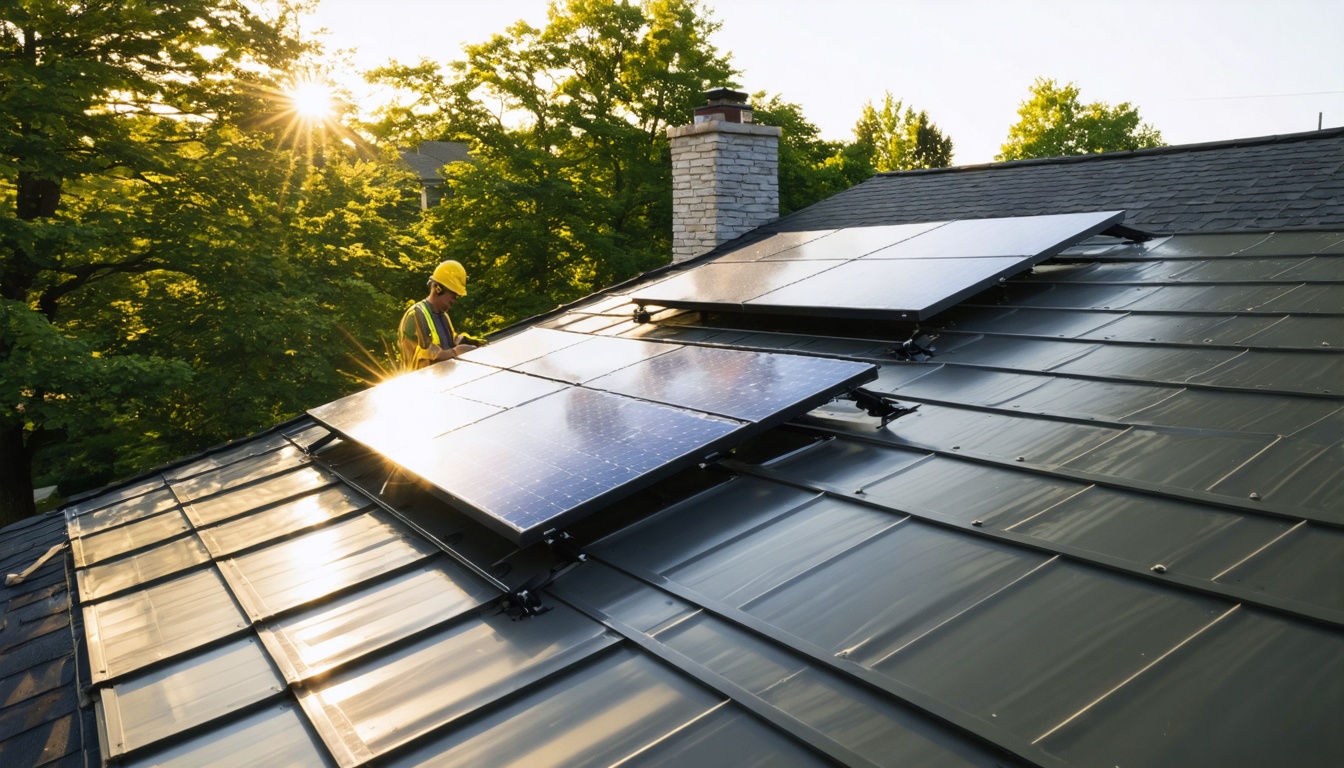
Solar Ready Roof Upgrades That Matter for Homes in Virginia
When considering improvements to your home's roof in Virginia, it is important to evaluate upgrades that can facilitate the installation of solar panels while also enhancing overall energy efficiency. Upgrading to a solar-ready roof involves several key factors, including structural integrity, appropriate roofing materials, and the orientation of the roof. Firstly, the roof's structural integrity must be assessed to ensure that it can support the weight of solar panels. This may require reinforcement of the roof trusses or framing, which is a significant consideration during the planning phase. Secondly, the choice of roofing materials can impact both energy efficiency and suitability for solar installation. Certain materials, such as metal roofs, have a longer lifespan and are beneficial for solar panel mounting due to their compatibility and reduced maintenance needs compared to traditional shingles. Additionally, the orientation and pitch of the roof are critical for optimal solar panel performance. Roofs that face south or west typically receive the most sunlight, which should be a consideration when upgrading or designing a new roof. It is also essential to review local building codes and regulations, as these can vary and may impose restrictions on certain materials or installation practices. Compliance with these regulations is necessary to avoid potential fines or complications during the installation process. Overall, investing in a solar-ready roof can contribute to greater energy efficiency and prepare your home for future sustainability initiatives. However, a thorough analysis of structural requirements, material choices, and regulatory conditions is necessary to ensure a successful upgrade.
Overview of Roofing and Energy Efficiency in Virginia
Roofs significantly influence a home's energy efficiency, particularly in the context of Virginia's diverse climate. The choice of roofing material and color can affect thermal performance. For example, standard asphalt shingles typically absorb considerable heat, while materials such as metal roofs and lighter-colored asphalt shingles reflect more solar energy, which can help decrease cooling needs during the warmer months.
When selecting roofing or siding materials in Virginia, it is important to consider their alignment with energy efficiency objectives. A detailed inspection by a qualified contractor is advisable before installation, especially if solar panel systems are being considered. This ensures compliance with local building codes.
Tile and metal roofs are often recommended for solar-ready energy systems due to their durability and reflective capabilities.
Furthermore, evaluating the costs related to roof replacement is essential, as well as considering how windows, gutters, and the overall condition of the exterior can impact energy efficiency. A comprehensive approach to these factors can enhance energy management in residential properties.
Understanding Heat Absorption and Its Impact
The roofing material selected plays a crucial role in heat absorption, especially in regions such as Virginia. Traditional dark asphalt shingles can absorb a significant portion of solar radiation, with estimates suggesting up to 90% absorption. This high level of heat absorption can lead to increased temperatures in attics, subsequently raising cooling demands during warmer months. This, in turn, can elevate energy consumption and operational costs associated with air conditioning systems.
When evaluating solar panel installations, the choice of roofing material is also important, as it can impact the efficiency of the energy system. For instance, metal roofs typically exhibit lower heat absorption and possess reflective properties, which may enhance solar energy generation capabilities.
Additionally, selecting appropriate roofing, siding, and window materials can limit the operational duration of HVAC systems. This can result in decreased replacement and maintenance costs over time.
It is recommended that contractors in Virginia conduct comprehensive inspections to comply with building codes during the installation of roofs, gutters, and tiles. Such measures not only contribute to improved aesthetic outcomes but also optimize overall comfort and energy efficiency in residential buildings.
Key Features of Cool Roofing Materials
The choice of cool roofing materials has the potential to improve energy efficiency in homes, especially given the varied climate conditions found in Virginia. Homeowners considering roofing upgrades should focus on materials with high solar reflectance and thermal emittance. These attributes help mitigate heat absorption, which can lead to lower cooling costs during warmer months.
Among the commonly used options are reflective asphalt shingles, light-colored tiles, and metal roofs. These materials are not only cost-effective but also compatible with solar panel installations, which can contribute to a home's overall energy efficiency.
Moreover, these roofing solutions are in accordance with building codes and regulations related to modern energy systems, allowing homeowners to upgrade while complying with local standards.
It is advisable to work with a qualified contractor for the inspection and installation of these roofing materials to ensure they are installed correctly. Proper installation is crucial for maximizing the performance and lifespan of the roofing system.
Additionally, cool roofing materials can work effectively alongside other exterior components such as siding, gutters, and windows to enhance the overall efficiency of solar-ready roofing systems in Virginia.
Top Options for Cool Roofing Upgrades
When evaluating cool roofing upgrades for homes in Virginia, it is important to consider options that effectively combine performance with aesthetic appeal. Reflective asphalt shingle systems, such as CertainTeed’s Landmark® Solaris®, outperform standard asphalt shingles by reducing heat absorption, which can lead to improved energy efficiency.
Metal roofing is another viable choice in Virginia, recognized for its potential to decrease cooling energy consumption while facilitating the installation of solar panels. This feature may be particularly beneficial for homeowners interested in renewable energy solutions.
Composite roofing materials are also valued for their insulation properties, contributing to energy efficiency and offering a visually appealing option.
Additionally, natural materials such as cedar and slate tiles provide thermal advantages, although they generally incur higher installation and maintenance costs.
To ensure compliance with local building codes and to achieve optimal installation linked to your home's energy needs, it is advisable to consult a licensed roofing contractor. Their expertise can aid in making a well-informed decision that meets your specific requirements.
Comparing Reflective Asphalt, Metal, Composite, and Natural Roofing
In Virginia, choosing a suitable roofing material involves a thorough evaluation of performance, cost, and compatibility with solar technology. Reflective asphalt shingles are distinguished by their solar reflectance capabilities, which can reduce heat absorption and potentially improve the efficiency of solar energy systems in residential settings.
Metal roofing is characterized by its durability and energy efficiency, making it a prevalent choice in the region. The process of installing solar panels on metal roofs is generally uncomplicated, assuming the work is performed by a qualified contractor who understands the specific requirements of metal roofing systems.
Composite roofing materials, as well as natural types like cedar and slate, provide advantages with regard to insulation properties and aesthetic appeal. Nonetheless, these materials often come with higher replacement costs, and it is essential to consider local building codes that could influence the installation process.
It is recommended to conduct an inspection with your Exteriors team to determine if any existing structures, including windows, gutters, siding, or tile installations, need upgrades to accommodate these roofing options effectively. This assessment can provide valuable insight into ensuring a successful roofing project.
Evaluating Your Roof for Solar Compatibility
Before initiating a solar installation, it is essential to assess the suitability of your current roof. In Virginia, a detailed inspection and careful evaluation of the roof type are necessary, as these factors influence mounting methods and potential replacement expenses.
Common roofing materials include asphalt shingles and metal roofs, each with specific attributes that affect the installation of solar systems. Asphalt shingle roofs are generally considered favorable for solar installations; however, if the roof is approaching the end of its useful life, a more in-depth examination is required.
Hiring a licensed contractor, such as Solar Energy Professionals, to perform a roof inspection is advisable to evaluate its structural integrity and confirm compliance with local building regulations. The orientation of your roof also significantly impacts solar performance; roofs that face south typically yield the highest energy production.
Furthermore, local weather conditions must be taken into account. In Virginia, the potential for snow accumulation requires roofing and gutter systems that can support the additional weight of solar panels.
Therefore, a careful assessment of these various factors is essential prior to deciding on solar installation.
Best Roofing Choices for Supporting Solar Panels
The choice of roofing material for your home in Virginia plays a significant role in the practicality and efficiency of solar panel installations. Asphalt shingles are often considered a viable option due to their compatibility with solar mounting systems and relatively lower costs associated with maintenance and replacement.
Metal roofs are also suitable for solar panel applications. Their durability provides strong support for the weight of solar systems, and their reflective surfaces can reduce heat absorption, potentially improving the overall efficiency of solar energy generation.
Tile roofing can be used for solar installations, but it requires careful assessment. The brittle nature of tile materials means that only experienced contractors should handle installations, and a thorough inspection is necessary to confirm that the roof can bear the extra load from solar panels.
Adhering to local building codes is crucial during both the planning and installation phases of solar panel projects.
Additionally, evaluating the condition of other elements of your home, such as siding, windows, and gutters, is important, as these may affect the functionality and durability of the solar setup. Proper planning and selection of appropriate roofing materials can facilitate a more efficient installation process, contributing to the long-term performance of the solar energy system.
Roof Types That Require Additional Consideration for Solar
Solar installations can present varying levels of complexity depending on the roofing material utilized. In Virginia, certain types of roofs require additional assessment before the installation of solar panels. For example, roofs made of slate, wood shingle, or tile often necessitate specialized mounting systems, which can complicate the installation process. This may lead to increased costs and extended project timelines, as careful handling of these materials is required.
Flat roofs also introduce specific challenges, such as issues related to snow load and heat retention. To effectively address these concerns, engineered ballasted systems might be needed. Furthermore, it is essential to evaluate the age and condition of the roofing material, as these factors can affect both the feasibility and the lifespan of the solar installation.
Conversely, asphalt shingles are generally viewed as the most suitable choice for solar installations in Virginia. They tend to offer a more straightforward and economically viable approach.
Homeowners are advised to consult with qualified contractors to evaluate their specific situation before proceeding with any solar energy projects. Engaging professionals can ensure that any necessary upgrades to roofing, siding, windows, or gutters comply with local building codes and standards.
Factors Unique to Northern Virginia Solar Installations
In Northern Virginia, the installation of solar panels requires careful consideration of various factors, both climatic and regulatory. A comprehensive roof inspection is critical due to the potential for significant snow loads typical of the region, which demands roofing systems that possess adequate structural integrity.
Common roofing materials such as asphalt shingles and metal roofs are often selected for their durability; however, the choice of material can influence both the mounting procedure and overall installation. The characteristics of roofing materials, including their color, may have implications for solar panel efficiency. For instance, darker asphalt shingles and tiles generally absorb more heat, which can adversely affect the performance of solar installations.
Therefore, it is advisable to assess the condition of roofing, siding, and surrounding exterior elements as part of the solar installation evaluation. Roof orientation is also a vital consideration. Typically, a south-facing roof is preferred for optimal energy production from solar panels.
Furthermore, if the roofing system is nearing the end of its service life, it's essential to account for the costs associated with potential replacement in the planning stages of the solar installation. Compliance with local regulations is another important aspect; adherence to the Virginia Uniform Statewide Building Code (USBC) and the National Electrical Code (NEC) is critical throughout the installation process.
Consulting with a qualified contractor to discuss these codes is advisable to ensure compliance and to promote a streamlined installation process.
The Role of Professional Assessments and Permitting
The installation of solar energy systems in Virginia requires careful consideration and financial investment from homeowners. It is important to perform a thorough professional assessment of the roof's condition and structural integrity prior to proceeding with installation. This assessment generally includes a review of the roof, siding, windows, and gutters to evaluate the ability of the home to support various mounting systems, which can include standard asphalt shingles, metal roofs, or tile roofing.
Virginia’s building codes and local regulations stipulate that contractors involved in solar installations must hold the necessary roofing and electrical licenses. It is prudent for homeowners to schedule these inspections in advance to accurately gauge potential replacement costs and ensure compliance with permitting requirements.
By choosing qualified contractors who understand and follow local regulations and installation standards, homeowners can enhance the reliability of their solar energy systems. This approach increases the likelihood that the installation will endure the region’s heat and assorted weather conditions over time, thereby optimizing the long-term value of their investment.
Conclusion
Investing in a solar ready roof can enhance a home's value and improve energy efficiency. Selecting appropriate materials and ensuring proper design, in accordance with Virginia's building codes, can facilitate a smoother and more cost-effective solar installation in the future. It is essential to obtain professional assessments and necessary permits throughout this process. By taking these preparatory steps, homeowners can mitigate potential issues later and contribute to a more environmentally sustainable property. Consider evaluating your roof's readiness for solar energy systems to make informed decisions moving forward.